

Don Lemon Faces Federal Civil Rights Charges After Reporting on Anti-ICE Church Protest
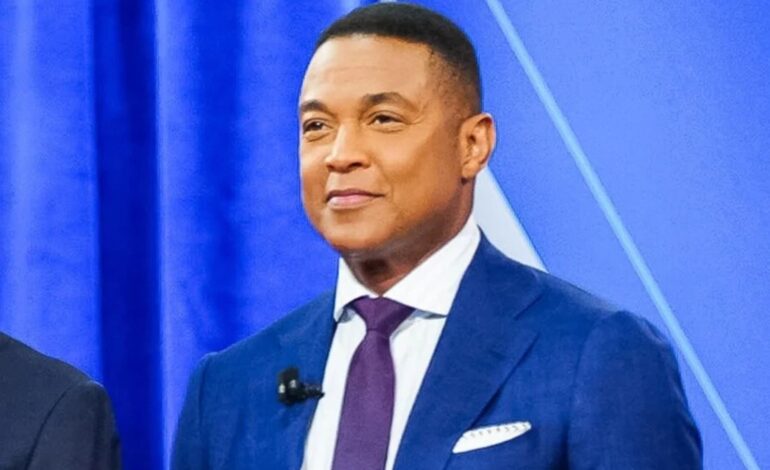

In a move that has sent shockwaves through media circles and civil rights communities, veteran journalist Don Lemon was arrested in Los Angeles and hit with federal civil rights charges. His alleged crime? His on-the-ground coverage of an anti-ICE protest at a Minnesota church in January.
Released from custody after a court appearance where he struck a defiant tone, Lemon declared to reporters, “I will not be silenced.” This case, however, extends far beyond one journalist. It raises profound and alarming questions about press freedom, the weaponization of federal law, and who gets to define the line between reporting and participation.
The Charges: A Novel and Controversial Application
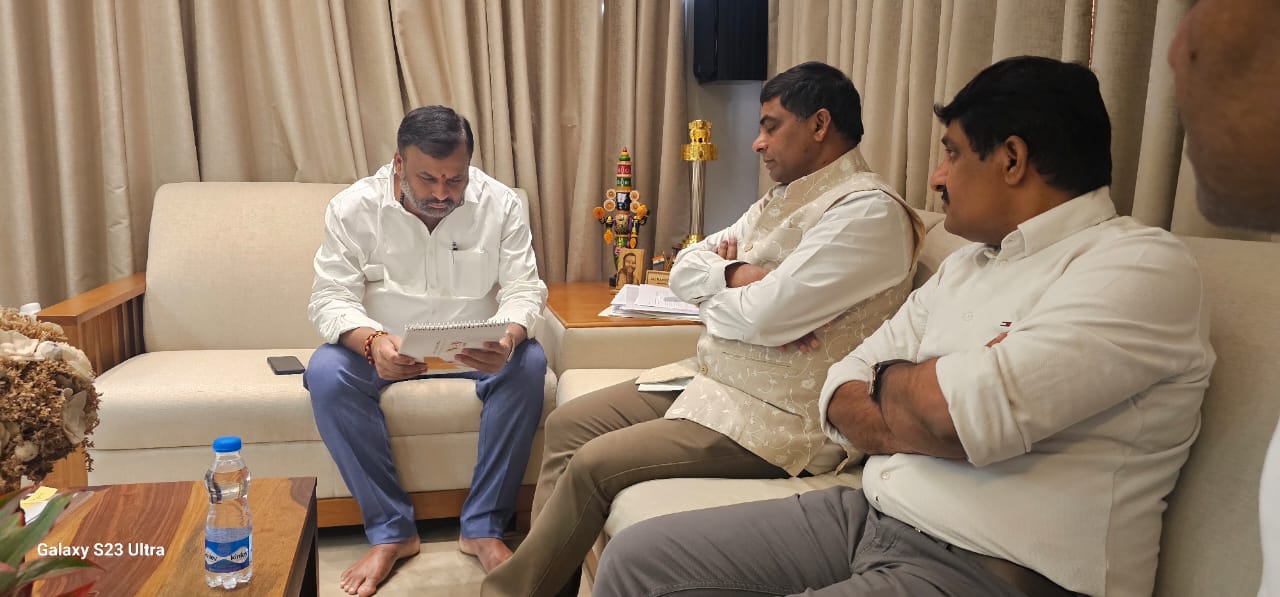
A grand jury in Minnesota indicted Lemon, along with an independent journalist and protest participants, on charges of conspiracy and interfering with the First Amendment rights of worshippers. The protest at the Cities Church in St. Paul—where an ICE official serves as a pastor—involved chants and disruption during a service.
The government’s argument, as presented in court, is that Lemon “knowingly joined a mob.” His defense, and the view of many First Amendment experts, is starkly different. Lemon and his attorneys maintain he was present solely as a journalist, documenting the event as he has for three decades. He repeatedly stated during his live coverage, “I’m not here as an activist. I’m here as a journalist.”
A Chilling Effect and Broad Condemnation
The response from media advocates has been one of unified alarm. Jane Kirtley, a noted media law expert at the University of Minnesota, called the charges “pure intimidation and government overreach,” noting the statutes used were never intended to apply to reporters gathering news.
The National Association of Black Journalists expressed being “outraged and deeply alarmed,” framing the arrest as an effort to “criminalize press freedom under the guise of law enforcement.” Reverend Al Sharpton condemned the action as the administration taking a “sledgehammer” to the First Amendment.
This perspective highlights a secondary, deeply troubling layer: the implication that Black journalists, who often bear witness to injustice in their communities, are being specifically targeted to discourage essential scrutiny.
The Bigger Picture: A Pattern of Pressure
The arrests did not occur in a vacuum. They follow the recent charging of a prominent civil rights attorney and others involved in the same protest. Attorney General Pam Bondi promoted the arrests online, stating forcefully, “if you violate that sacred right [to worship], we are coming after you.”
For observers, this aggressive posture signals a willingness to wield federal power not just against disruptive protests, but against those who document them. It creates a perilous environment where journalists may second-guess covering contentious events for fear of legal entanglement.
Two Sides of a Divided Narrative
The church leadership praised the Justice Department’s actions, grateful for protection to continue their worship. Conversely, those arrested see themselves as defenders of civil rights. Protest participant Trahern Crews, also charged, told the AP, “All the greats have been to jail… We were just practicing our First Amendment rights.”
Lemon, now navigating the world of independent journalism after his tenure at CNN, has become an unexpected flashpoint in this conflict. His promise on his show after an initial prosecutorial setback—“Keep trying. That’s not going to stop me from being a journalist”—now stands as his public creed amidst the legal battle ahead.
A Precedent in the Balance
As Lemon prepares to plead not guilty and fight the charges in Minnesota, the stakes could not be higher. This case will test the boundaries of protected newsgathering in an era of intense political polarization. It asks a fundamental question: can reporting on a disruption be conflated with causing it?
The outcome will either reaffirm the right of the press to document dissent, even inconvenient and disruptive dissent, or it will cast a long, intimidating shadow over watchdog journalism at a time when it is most crucial. The nation watches, waiting to see if the act of bearing witness becomes itself a prosecutable offense.
Also Read:
Americans May Soon Visit Venezuela as Flights Set to Resume, Says Trump
Extreme Winter Conditions Hit Russia with Snowfall Not Seen in 200 Years