

Americans May Soon Visit Venezuela as Flights Set to Resume, Says Trump
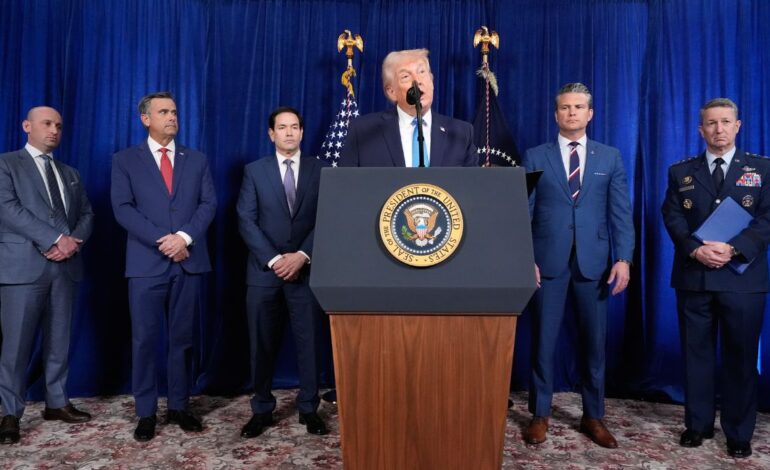

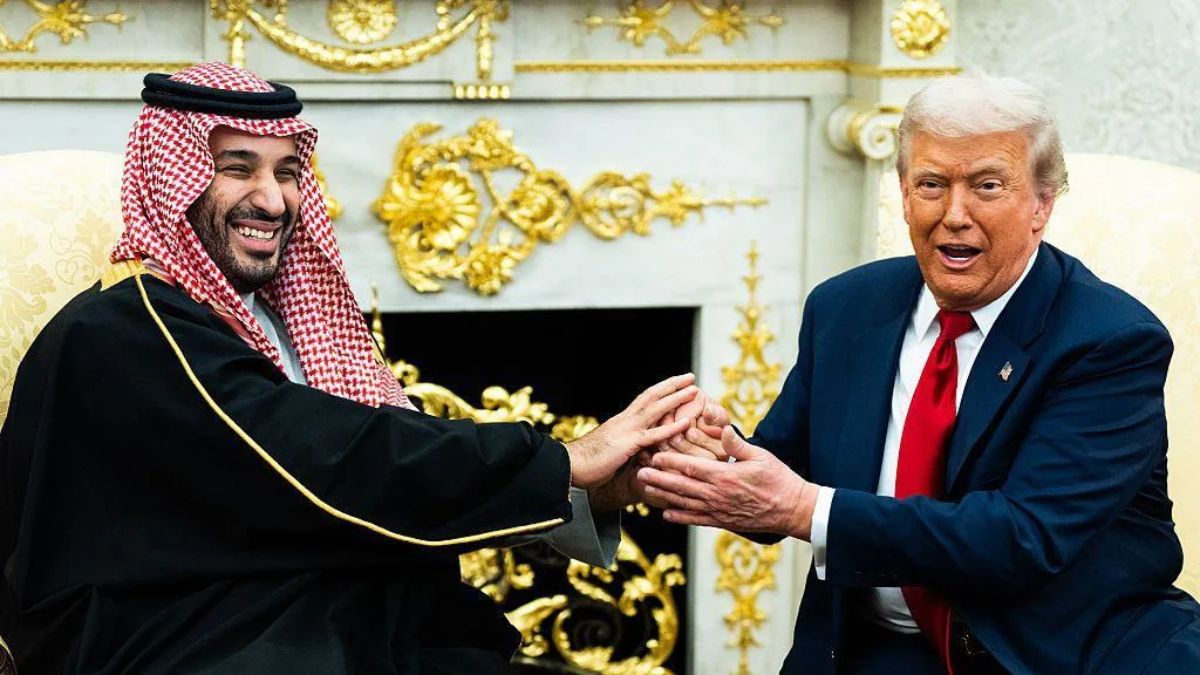
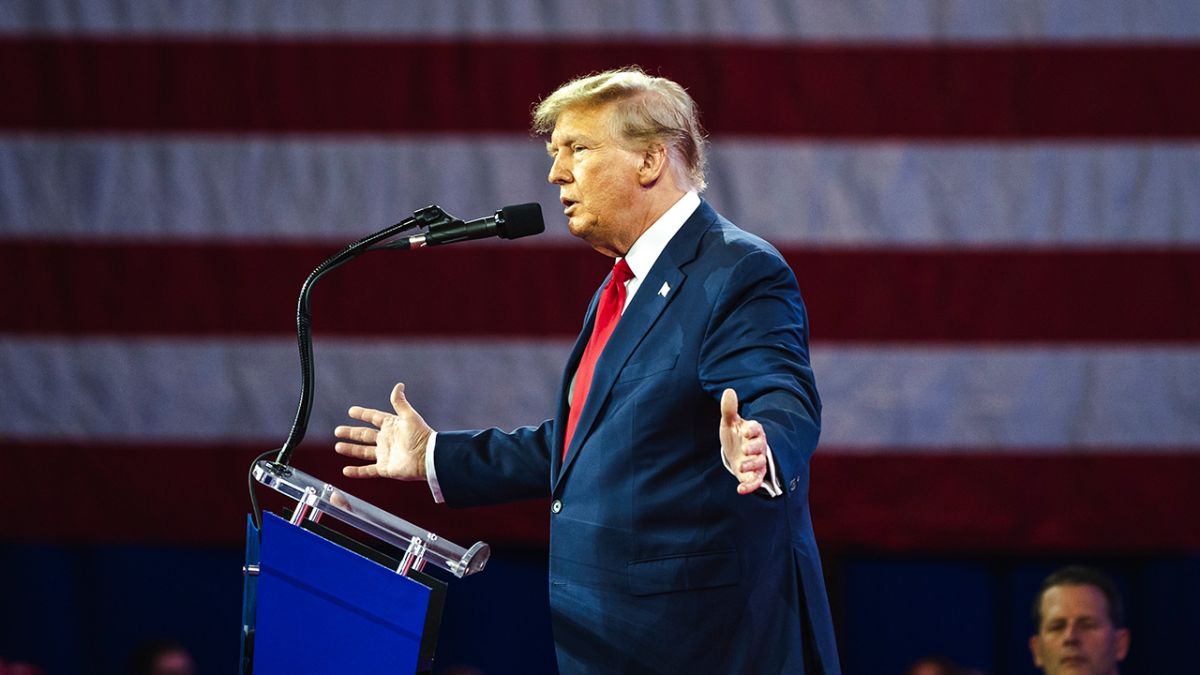
In a dramatic policy reversal, President Donald Trump announced on Thursday that the United States will move to reopen all commercial airspace over Venezuela, declaring that American citizens will “very shortly” be able to visit the country.
The directive, which the President said he instructed transportation and military officials to enact by the end of the day, marks a significant step toward normalizing relations with a nation that has been largely isolated from the U.S. for years.
A Swift Change in Course
The announcement represents a swift about-face. Just last November, under escalating pressure on the Nicolás Maduro regime, the Trump administration declared the airspace “closed in its entirety,” leading international carriers to cancel routes. The Federal Aviation Administration (FAA) had repeatedly warned pilots of heightened risks.
Today, that posture has flipped. The FAA confirmed it is lifting four key Notices to Airmen (NOTAMs) for the region, stating these precautionary measures are “no longer necessary.” “We look forward to facilitating the return of regular travel,” the agency said.
Airlines Prepare for Reunion
The business community is already responding. American Airlines, the last U.S. carrier to suspend service to Venezuela in 2019, announced its intention to resume direct flights from Miami to Caracas and Maracaibo.
“We have a more than 30-year history connecting Venezolanos to the U.S., and we are ready to renew that incredible relationship,” said Nat Pieper, the airline’s chief commercial officer. The airline cited the goal of reuniting families and fostering new business and commerce.
This move would restore a once-common route. Before Venezuela’s economic and political collapse in the mid-2010s, weekend trips to Miami were a regular feature of life for many Venezuelans.
A Broader Diplomatic Thaw
The aviation shift is part of a wider, cautious effort to restore ties. Earlier this week, the State Department notified Congress it was taking initial steps to possibly reopen the U.S. Embassy in Caracas, shuttered since 2019. The department is sending temporary staff to conduct select diplomatic functions, exploring a path back to formal engagement after the ouster of Maduro.
A Stark Warning Remains
However, a glaring contradiction underscores the complexity of this reopening. Even as President Trump assured the safety of Americans in Venezuela, the State Department’s travel advisory remained firmly at its highest level: “Do Not Travel.” The warning cites risks of wrongful detention, kidnapping, and arbitrary arrest.
As of Thursday evening, the department had not indicated if this severe advisory would be revised, leaving potential travelers with mixed signals from the highest levels of government.
The Road Ahead
The plan to resume flights is more than a logistics update; it’s a powerful symbol of a desired political and humanitarian reset. It aims to rebuild personal bridges for the Venezuelan diaspora and re-establish economic links.
Yet, the journey from announcement to routine travel is paved with practical and diplomatic hurdles. Airlines must complete security assessments and obtain permissions. Most critically, the profound safety concerns that grounded flights for years must be demonstrably resolved to align presidential assurances with official travel guidance.
For now, the skies are clearing symbolically, but travelers will be watching closely to see when the all-clear is given both in the air and on the ground.
Also Read:
Why the US Has Increased Airstrikes in Somalia
Streets of Minneapolis Stay Tense Despite Trump’s Call for Calm