


Internet Services Slowly Return in Uganda Following President’s 7th Term Victory
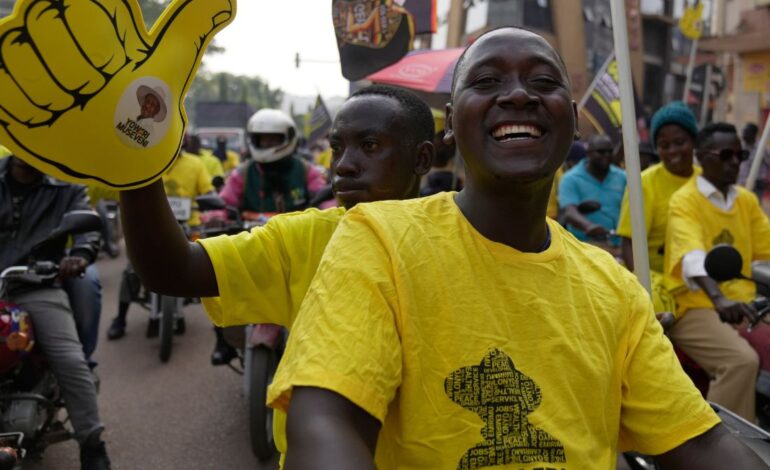

In the wake of a deeply divisive election, Ugandan authorities have begun to partially restore internet access after a days-long nationwide shutdown. The move comes as 81-year-old President Yoweri Museveni, in power since 1986, was declared the winner of a seventh term, extending his rule into a fifth decade.
The state-run communications regulator had ordered the blackout two days before Thursday’s polls, citing the need to curb “misinformation, disinformation, electoral fraud and related risks.” This decision was met with immediate condemnation from the opposition and international observers.
A Slow, Controlled Return
The restoration is partial and selective. While some internet services are returning, allowing businesses to resume operations, social media platforms remain deliberately blocked. A spokesperson for a major telecom company confirmed the state directive to keep these specific channels offline.
A Victory and a Backlash
The Electoral Commission announced Museveni as the winner with 71.6% of the vote, while his main rival, the pop star-turned-politician Bobi Wine (Robert Kyagulanyi), was credited with 24%. Wine has forcefully rejected the results, alleging widespread fraud.
The aftermath has been tense. Scattered opposition protests erupted after the results were announced, met with a police response involving tear gas and arrests. Bobi Wine’s current location is unknown; he stated on social media that he escaped a military raid on his home, echoing the house arrest he faced following the 2021 election.
International Observers Condemn the Process
A joint observation mission from the African Union and other regional blocs did not mince words in its critique. Their report highlighted the internet shutdown as a major flaw, stating it “limited access to information, freedom of association, curtailed economic activities … and created suspicion and mistrust on the electoral process.” The mission also criticized the prominent involvement of the military in the electoral proceedings.
A Long Shadow Over the Future
President Museveni’s latest victory solidifies his place as one of Africa’s longest-serving leaders, now poised to rule until 2031. There is widespread speculation that he is grooming his son, Muhoozi Kainerugaba—the current head of the military—as a successor.
The partial return of the internet does little to mend the deep fractures exposed by this election. It represents a cautious easing of control, not a restoration of open discourse. For many Ugandans, the digital silence may have been broken, but the fundamental questions about transparency, freedom, and the future of their democracy remain loudly unanswered. The coming days will test whether the post-election calm is a sign of stability or merely the quiet before another storm.
Also Read:
Search Continues in Indonesia as Plane Carrying 11 People Disappears
Rising Attacks Push Bangladesh Journalists to Demand Safety Measures