
Why Minneapolis Mayor Says Military Role in Immigration Is Against the Law

In a tense standoff that pits local authority against federal power, Minneapolis Mayor Jacob Frey has issued a stark warning: the potential deployment of active-duty U.S. soldiers to his city is not only “ridiculous,” but it is also unconstitutional.
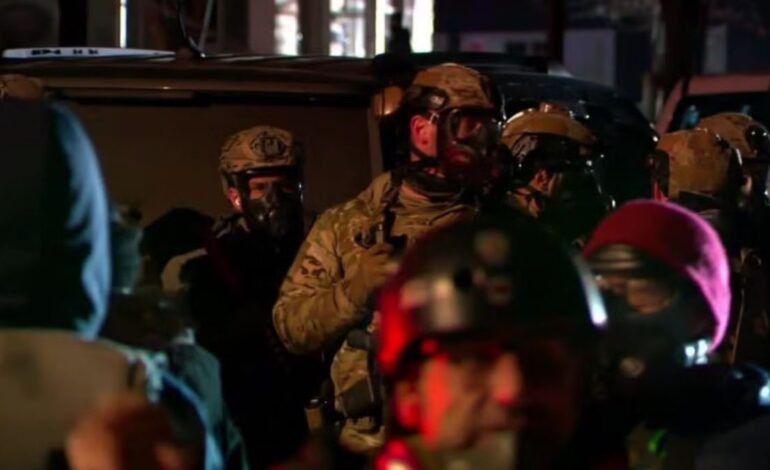
The mayor’s forceful declaration comes amid weeks of escalating tension in Minnesota. The flashpoint is a significant federal immigration enforcement operation in the Twin Cities, which has brought over 2,000 federal officers to the area and sparked daily peaceful protests.
The Specter of the Insurrection Act
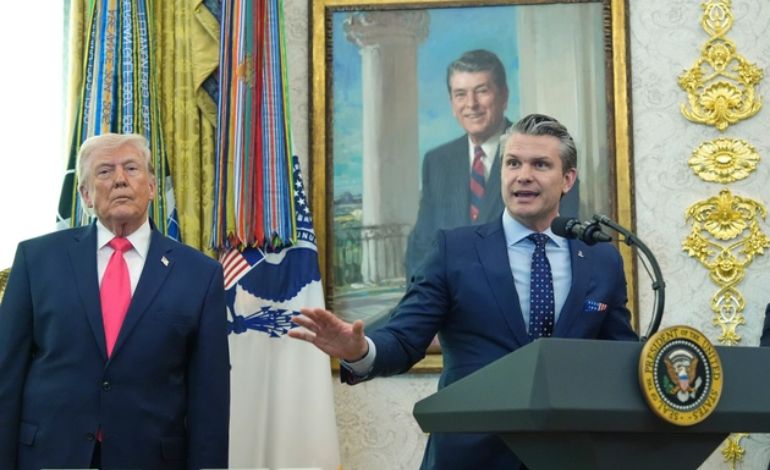
The situation took a more alarming turn this weekend when defense officials revealed the Pentagon has placed about 1,500 active-duty soldiers from Alaska’s 11th Airborne Division on standby. Their potential mission? To deploy to Minnesota if President Donald Trump invokes the Insurrection Act—a rarely used 19th-century law allowing the president to deploy the military domestically to suppress civil disorder.
Mayor Frey, appearing on CNN, forcefully rejected this possibility. “It’s ridiculous, but we will not be intimidated by the actions of this federal government,” he stated. “It is not fair, it’s not just, and it’s completely unconstitutional.”
His argument rests on the nature of the protests themselves. He described them as the lawful exercise of First Amendment rights by thousands of citizens, emphasizing their peaceful character. “We are not going to take the bait. We will not counter Donald Trump’s chaos with our own brand of chaos here,” Frey asserted.
A City on Edge and a Community Mobilized
On the ground, the atmosphere is one of fear and mobilization. In a powerful display of community solidarity, U.S. postal workers used their day off to march through a neighborhood heavily patrolled by Immigration and Customs Enforcement (ICE) officers, chanting, “Protect our routes. Get ICE out.”
Letter carriers shared disturbing accounts from their routes, describing reckless driving by federal vehicles and reports of ICE agents breaking into buildings and detaining people in public places like shopping center parking lots. The protests are also fueled by tragedy, including the recent fatal shooting of a U.S. citizen, Renee Good, by an immigration officer during a confrontation.
A Clash of Perspectives
While local leaders and protesters see an overreach of federal power, others offer a different view. Republican Congressman Tom Emmer urged Minnesota’s governor to tone down rhetoric against the federal government, arguing that the officers are “neighbors just doing the jobs they were sent to do” and feel “under attack.”
The legal landscape is also shifting. A federal judge ruled on Friday that immigration officers cannot detain or use tear gas on peaceful protesters who are merely observing and not obstructing authorities—a decision that attempts to draw a line around acceptable protest and enforcement tactics.
A Fundamental Question of Law and Order
At its core, the conflict in Minneapolis raises profound questions about the role of the military in domestic affairs, the limits of federal enforcement, and the rights of citizens to protest. Mayor Frey’s stand is a defense of local sovereignty and constitutional principles, arguing that the answer to peaceful dissent is not military readiness, but dialogue and de-escalation.
As soldiers wait in Alaska and protesters march in Minnesota, the nation watches a real-time test of the boundaries of presidential power, the Posse Comitatus Act, and the very meaning of public order in a divided America.
Also Read:
Search Continues in Indonesia as Plane Carrying 11 People Disappears
Rising Attacks Push Bangladesh Journalists to Demand Safety Measures