




Netanyahu Says Israel Aims to Taper US Military Support in the Next Decade
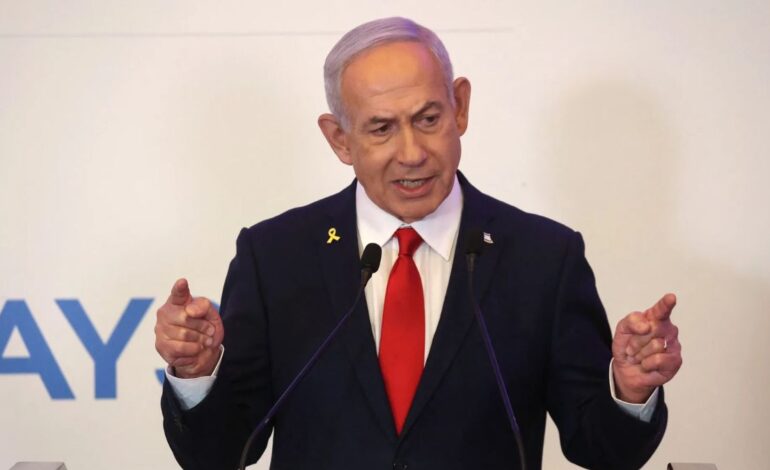

In a significant statement on Israel’s strategic future, Prime Minister Benjamin Netanyahu has expressed a clear intention to reduce the nation’s dependence on American military aid over the next ten years. The remarks, made in an interview with The Economist published on Friday, signal a potential shift in one of the world’s most enduring defense partnerships.
When asked about his goal to “taper off” Israeli reliance on U.S. military support within the coming decade, Netanyahu was direct. Asked if this tapering would go “down to zero,” he responded, “Yes.”
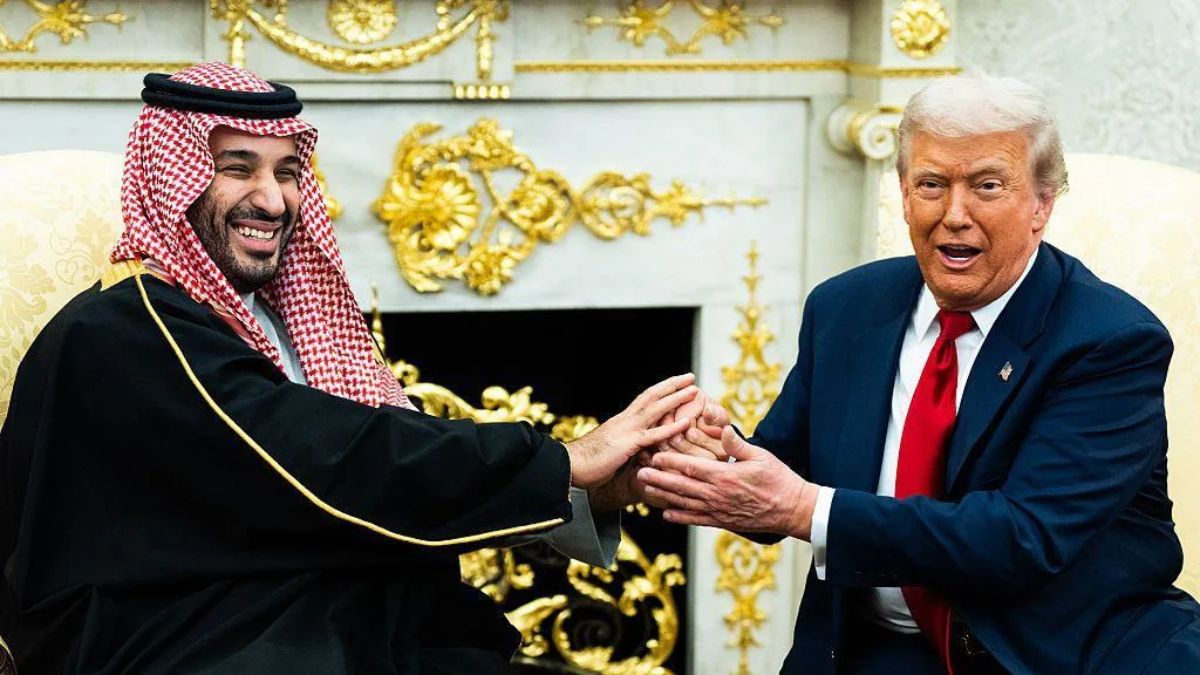
This vision for greater military-industrial independence is not new for Netanyahu, who has long advocated for Israeli self-sufficiency. However, the declaration of a rough ten-year horizon provides a more concrete framework for the ambition. He emphasized the nation’s grown capabilities, stating he recently told President Donald Trump that Israel “very deeply” appreciates U.S. aid, but added, “we’ve come of age and we’ve developed incredible capacities.”
This policy direction is backed by substantial financial commitment. In December, Netanyahu announced a plan to invest 350 billion shekels (approximately $110 billion) into developing an independent domestic arms industry, a clear step toward reducing reliance on foreign suppliers.
The context of this proposed shift is a longstanding and extensive U.S. support agreement. A memorandum of understanding signed in 2016 guarantees Israel $38 billion in military aid through September 2028, including $33 billion in grants for military equipment and $5 billion specifically for missile defense systems like the Iron Dome.
Israel’s defense sector already demonstrates strong global standing, with exports rising 13 percent last year. Major international contracts for its advanced technology, particularly its multi-layered aerial defense systems, show the industry’s competitive strength.
Netanyahu’s comments suggest a strategic calculus to leverage this existing industrial base, coupled with massive investment, to gradually assume primary responsibility for its own defense procurement. While the decade-long tapering plan remains an aspiration rather than a fixed policy, it outlines a future where Israel aims to stand as a fully self-reliant military power, funded and equipped predominantly from within.
Also Read:
Russian Mass Strike on Ukraine Seen as a Test for Kyiv’s Allies
Opposition Leader Says Greenland Must Speak With the US Independently