


Ukraine Peace Talks in Paris Face Uncertainty Amid US Attention on Venezuela
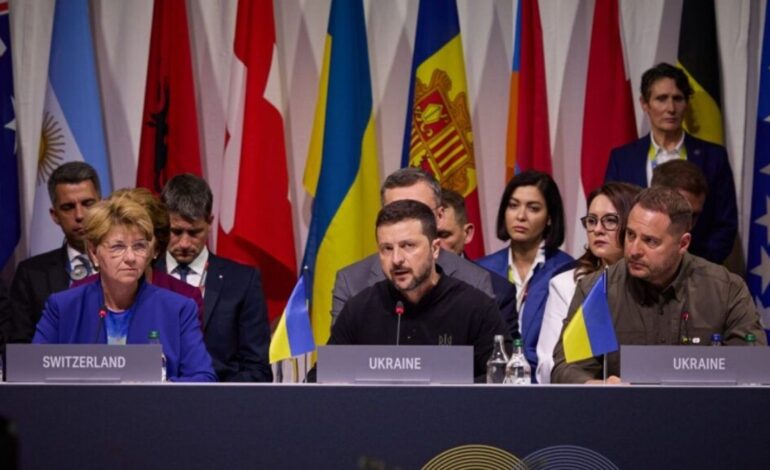

The stage in Paris was set for a historic act of unity. On Tuesday, an unprecedented gathering of 35 nations, including 27 heads of state and government, convened with a singular, urgent purpose: to forge a concrete security shield for Ukraine in the shadow of a potential ceasefire with Russia. Yet as diplomats took their seats, the spotlight of the world’s sole superpower was glaring elsewhere—fixated on the aftermath of a dramatic military intervention in Venezuela.
This clash of crises has cast a deep shadow over what French President Emmanuel Macron had touted as a decisive moment. Just days ago, Macron spoke of allies making “concrete commitments” to ensure a “just and lasting peace.” The agenda was substantial and thorny, focused on the delicate architecture of a post-ceasefire reality:
- Monitoring a fragile truce.
- Long-term support for Ukraine’s armed forces.
- The potential deployment of a multinational deterrent force on land, sea, and air.
- Ironclad guarantees against future Russian aggression.
The success of this “coalition of the willing” has always hinged on clear, unwavering leadership, particularly from Washington. Ukraine’s position is one of justifiable caution; any ceasefire must not become a mere intermission for Russia to rearm. Firm U.S. guarantees are seen as the essential linchpin to lock in broader European commitments.
But that linchpin is now under strain. The last-minute change in the U.S. delegation—with Secretary of State Marco Rubio staying behind to manage the Venezuela situation—symbolizes a broader distraction. While envoys Steve Witkoff and Jared Kushner are present, the political oxygen in Washington is consumed by Caracas. This shift injects profound uncertainty into the Paris talks. Can the coalition secure the bold, actionable pledges it needs when America’s strategic attention is divided?
There were signs of progress before the pivot to Venezuela. Witkoff himself noted “productive” discussions on security guarantees and mechanisms to “help end the war and ensure it does not restart.” Yet crucial details remain unresolved. As President Volodymyr Zelensky pointed out over the weekend, not all allies are ready to commit troops, with many needing parliamentary approval. He stressed that the deployment of British and French forces would be “essential,” candidly admitting that “the very existence of the coalition depends on whether certain countries are ready to step up their presence.”
The Paris summit is thus a critical stress test. It probes whether the Western-led international order can walk and chew gum at once—can it manage a sudden, unilateral crisis in one hemisphere while systematically building a collective security framework in another? The outcome will reveal less about the prospects for an immediate peace in Ukraine and more about the resilience and focus of the alliances meant to uphold it.
As the talks proceed, the underlying question hangs heavy in the air: In an era of proliferating crises and shifting attentions, can the world still muster the sustained, shared resolve needed to secure a lasting peace, or will vital long-term security be sacrificed to the urgency of the latest headline?
Also Read:
Russia Says Ukraine Has Increased Daily Drone Attacks on Moscow
North Korea Says Missile Test Responds to Growing Global Tensions