



UN Secretary-General Urges Israel to Lift NGO Restrictions in Gaza
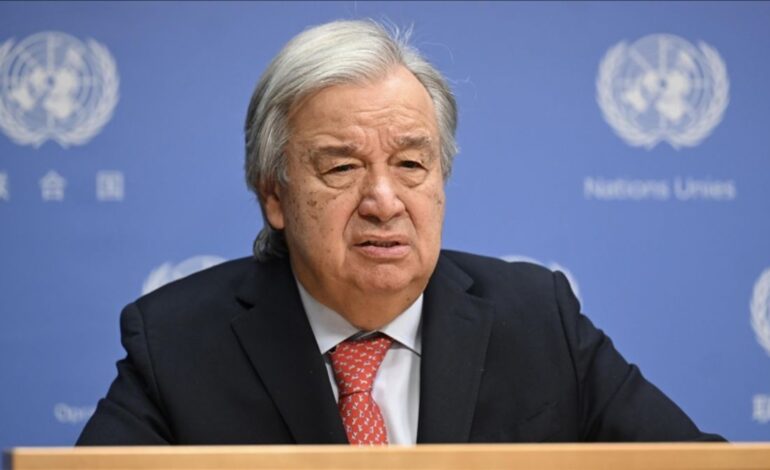

A fragile ceasefire holds, but a new crisis now threatens to unravel the scant progress made in Gaza. In a statement that carried grave urgency, United Nations Secretary-General Antonio Guterres has called on Israel to immediately reverse its decision to suspend dozens of international humanitarian organizations from operating in the Gaza Strip.
Expressing deep concern, Guterres’ spokesperson underscored that these international non-governmental organizations are indispensable to life-saving humanitarian work. The suspension, he warned, directly risks undermining the fragile progress achieved since the ceasefire and will further exacerbate the humanitarian crisis facing Palestinians.
The Heart of the Dispute
The Israeli government’s move, announced Thursday, affects 37 foreign aid agencies, including medical giant Doctors Without Borders (MSF), which alone has 1,200 staff in the Palestinian territories. The order is straightforward: these groups must cease operations by March 1.
The stated reason is a refusal by the NGOs to comply with a new Israeli regulation requiring them to share lists of their Palestinian employees for government vetting. Israel contends this framework is necessary to prevent organizations it accuses of supporting terrorism from operating in the territories.
The affected NGOs and their allies see it differently. They argue the demand contravenes core humanitarian principles of independence and neutrality, potentially endangering their staff and compromising their mission. A coalition of 18 Israel-based left-wing NGOs has denounced the ban, standing in solidarity with their international counterparts.
A Crisis Compounded
This administrative decision strikes at the core of a humanitarian nightmare. The context is one of almost unimaginable devastation:
- Over 70,000 people reported killed since the war began.
- Nearly 80 percent of buildings in Gaza damaged or destroyed.
- Roughly 1.5 million residents displaced from their homes.
Against this backdrop, international NGOs are not just helpful; they are a lifeline. They provide medical care, food, water, and shelter materials in a place where public infrastructure lies in ruins. The ban threatens to sever that lifeline precisely when it is most needed.
A Question of Access and Principle
The Secretary-General’s intervention highlights a critical tension in crisis response: the balance between a state’s security protocols and the unimpeded delivery of humanitarian aid under international law. By labeling these NGOs “indispensable,” Guterres is asserting that their work transcends political dispute; it is a fundamental moral and practical necessity.
As the March 1 deadline looms, the international community watches. Will dialogue provide a path that addresses legitimate security concerns without crippling the aid apparatus? Or will the ban take hold, plunging Gaza’s vulnerable population into an even deeper abyss?
The coming days will test the commitment to humanity in a landscape scarred by conflict. The world must hope that the imperative to save lives prevails over bureaucratic and political barriers. The survival of countless civilians hangs in the balance.
Also Read:
Fresh Clashes Kill Six During Iran Cost-of-Living Protests
Young Palestinian Boy Drowns as Flooding Hits Gaza Tent Camp, UN Reports