



Exodus Fears Rise in Northern Greece After Brown Coal Plants Shut Down
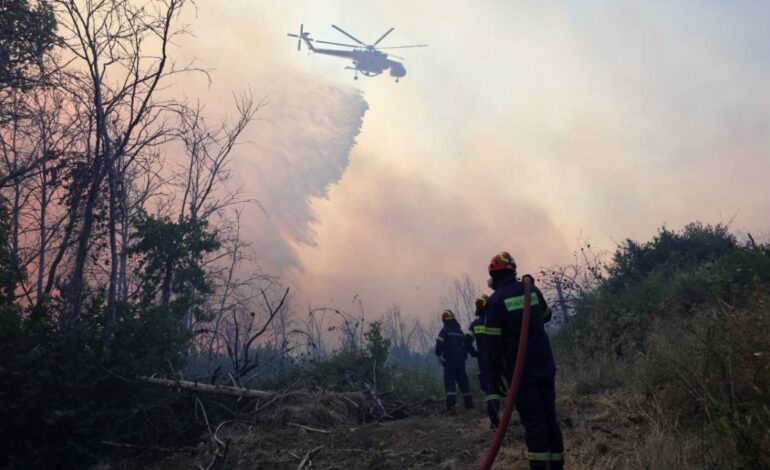

The chimneys of the Agios Dimitrios power plant still stand against the sky in northern Greece, but the smoke is fading. For decades, these stacks were the beating heart of Western Macedonia, symbols of a lignite coal industry that provided identity, paychecks, and purpose. Next year, the last two plants will fall silent. What was once a blessing, residents now say, feels like a sentence without a future.
In the town of Ptolemaida, Mayor Panagiotis Plakentas voices a fear echoing through the region: the dread of becoming “another Detroit.” He watches as eight out of ten young people who leave to study never return. The engine of their economy is being switched off, and nothing yet sounds like it’s revving up to take its place.
A Monoculture of Smoke and Security
For generations, life here was built on brown coal. It was a simple, if dirty, bargain. The lignite monoculture, as one soon-to-be-unemployed worker put it, “has been both a blessing and a curse.” It offered stable jobs in a country often short on them, but it tied the region’s fate to a single, declining industry. Now, with closures accelerating, Western Macedonia suffers the highest unemployment in Greece—double the national average. Over 10,000 jobs have vanished; unions fear that number will double by 2028.
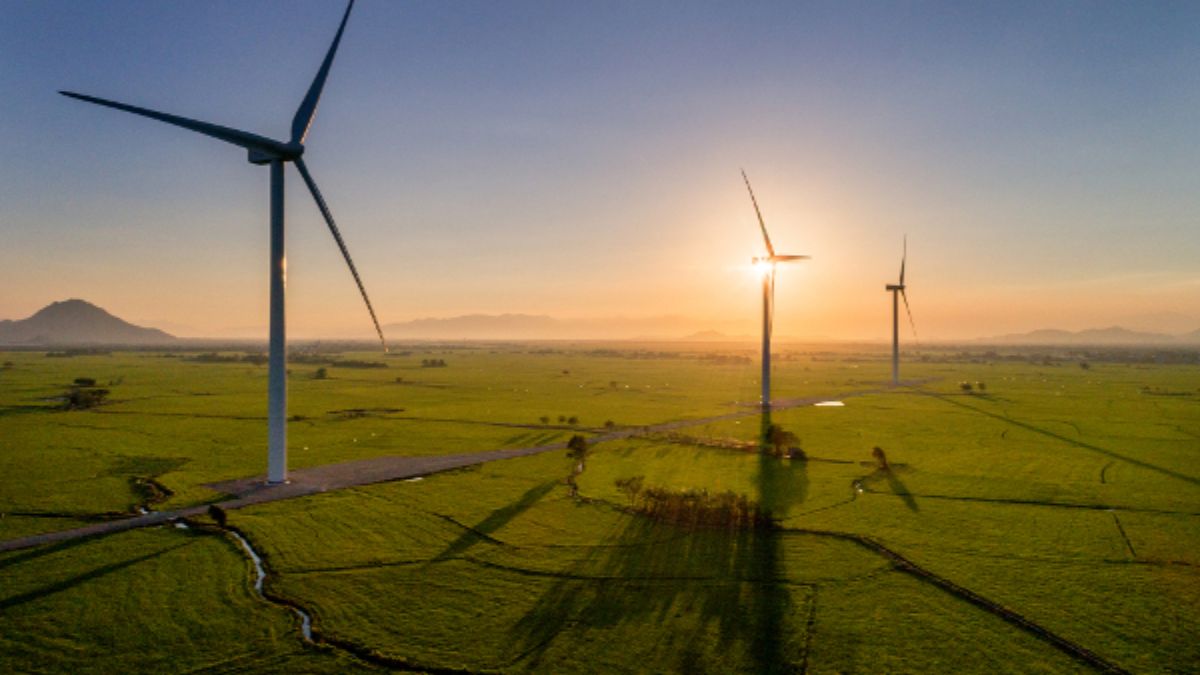
The transition is branded as progress, a necessary shift toward a greener future. The public power company, PPC, promises billions in investment for solar parks and data centers. But from the ground, these projects feel distant, abstract. Local council head Ilias Tentsoglidis condemns what he calls a “brutal de-lignite-ization.” “In the region’s most fertile plain,” he laments, “we’re sowing glass and concrete.”
The Bitter Taste of “Progress”
The irony is profound. The industry that sustained them also poisoned them. A recent court ordered PPC to pay damages for contaminating groundwater with coal ash. “We were drinking poison without knowing it,” Tentsoglidis says bitterly. Studies now link the improving air quality from the plant closures to a drop in heart disease—a health benefit that feels like cold comfort to a mechanic like Alexis Kokkinidis.
At 45, with his contract ending in May, Kokkinidis feels only “uncertainty and fear.” “The only thing keeping me here is emotional attachment,” he admits. “I was born and raised here, but you can’t live on feelings.”
His sentiment captures the painful duality of this moment. The land, scarred by mining, is now too polluted to farm easily, yet many locals desperately want their expropriated fields returned. They are caught between a toxic past and a future they cannot see.
An Exodus in the Making
The demographic numbers tell a stark story: Western Macedonia lost a tenth of its population in the last decade. Without a viable economic heartbeat, the fear is that this decline will become a flood. The coffee shops where men watch the chimneys may soon be empty.
This is the human calculus of the energy transition. It’s not just about swapping coal for solar panels; it’s about replacing an entire ecosystem of work, community, and meaning. The promise of green jobs feels like a theory, while the shuttering of a plant is a devastating fact.
As the final fires of the lignite era are extinguished, the people of Western Macedonia are left in a disquieting silence. They are told they are sacrificing for a cleaner, brighter future. But standing in the shadow of the last smokestacks, watching their children move away, they are left to wonder: a future for whom? And at what cost?
Also Read:
King Charles Highlights the Importance of Reconciliation in Christmas Speech
Former South Korean President Faces 10-Year Sentence Demand by Prosecutors