





Maoist Rebel Leader Killed in Major Operation by Indian Forces
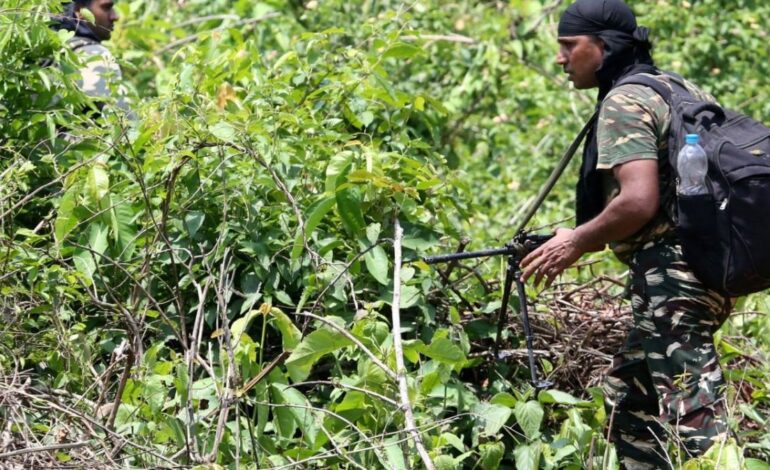

In a significant strike against a decades-long insurgency, Indian security forces have killed senior Maoist rebel commander Ganesh Uike and three other fighters in a raid in the eastern state of Odisha. The operation marks a critical moment in New Delhi’s intensified campaign to eradicate the Maoist rebellion by early 2026.
The confrontation occurred in Kandhamal district on Thursday after authorities received specific intelligence regarding the commander’s location. Following the gunfight, police confirmed the recovery of four bodies. Among them was the 69-year-old Uike, the top Maoist leader in the coastal state, who carried a bounty of over $120,000 on his head.
Top state police officer Yogesh Bahadur Khurania stated that the other three deceased were also rebel fighters—two women and one man—whose identities are being verified. Notably, the operation resulted in no casualties among the security forces. This raid followed another engagement in the same state just a day prior, where two Maoist fighters were killed.
The Context of a Longstanding Insurgency
This operation is part of a broader, decisive push by the Indian government against the remnants of the Naxalite rebellion. The movement, named after the village of Naxalbari where it began nearly sixty years ago, is a Maoist-inspired insurgency that once exerted control over vast swathes of central and eastern India. At its peak in the mid-2000s, the rebellion boasted an estimated 15,000 to 20,000 fighters and held sway over nearly a third of the country’s territory.
However, sustained military pressure, developmental outreach in affected regions, and a strategy of targeted operations have dramatically weakened the movement over the past decade. The government’s current offensive represents an all-out effort to deliver a final blow. Official figures claim that since the start of 2024, over 500 Maoist rebels have been killed in operations across several states.
The Path to 2026
The elimination of a high-value target like Ganesh Uike is a tactical and symbolic victory for security forces. It disrupts the rebel command structure in a key region and demonstrates the efficacy of intelligence-led operations. The government’s vow to end the rebellion by March 2026 underscores a political commitment to closing one of India’s most enduring internal security challenges.
While the insurgency’s footprint has shrunk considerably, it remains a potent force in certain forested and mountainous hinterlands, known as the “Red Corridor.” The conflict has been characterized by guerrilla warfare, attacks on infrastructure, and clashes with security forces, resulting in thousands of deaths over the decades.
The latest operation in Odisha signals that the state’s campaign is moving with renewed intensity. As security forces continue their push, the focus remains on dismantling the remaining networks and addressing the socio-economic grievances that have long fueled the insurgency, in a dual strategy of force and development.
Also Read:
Saudi PIF-Linked Humain Hands AI Data Center Development to MIS
Russia Plans to Build a Nuclear Power Plant on the Moon Within 10 Years