The news from Herat is a chilling reminder, both literal and figurative, of the depths of human desperation. This week, three Afghan migrants froze to death in the mountainous Kohsan district, their journey toward Iran ending in tragedy. They were part of a group intercepted by border forces, but in the brutal winter cold, that intervention came too late for some. A local shepherd, too, was found fallen to the same silent, icy fate in those remote peaks.
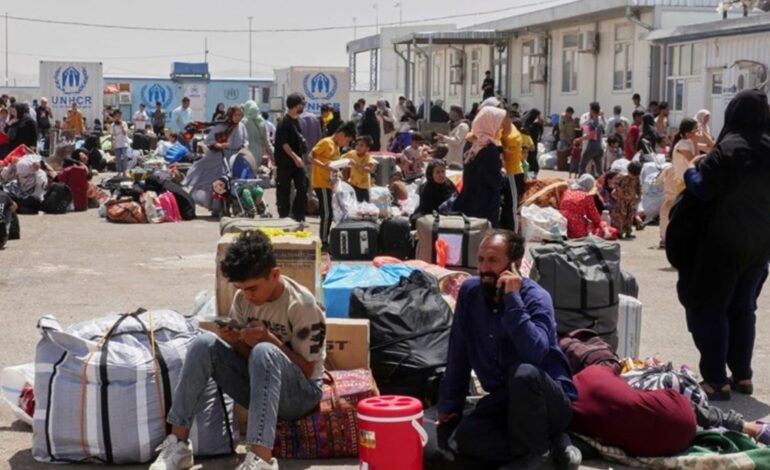
These are not isolated names. They are a stark statistic in a year of overwhelming returns. According to the UN, over 1.8 million Afghans have been sent back from Iran between January and November of this year alone, the majority under conditions described as “forced and coerced.” Each number is a person funneled back into a perfect storm of crisis, straining a nation already buckling under the weight.
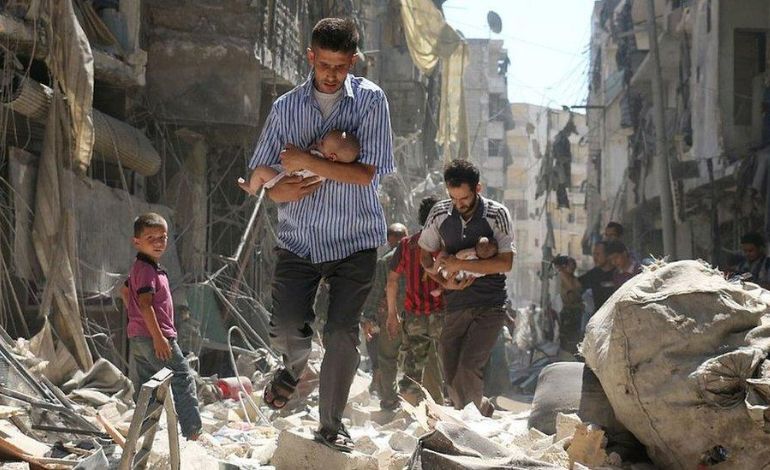
Think of what they return to, or what they are fleeing. A country recently shattered by earthquakes, where climate change is not a distant threat but a present-day disruptor of livelihoods. Where international sanctions, sustained in part due to severe restrictions on women’s rights—termed “gender apartheid” by the UN—cripple the economy and daily life. This week, the World Food Programme stated a sobering fact: more than 17 million people in Afghanistan face acute food insecurity. That is nearly half the population wondering where their next meal will come from.
This is the calculus of desperation. It is the grim assessment that braving illegal, freezing mountain passes feels like a better risk than staying put. It is the proof that policies of mass return, as organizations like Amnesty International have warned, expose people to a “real risk of serious harm.” The bodies found on Thursday are the most immediate, tragic evidence. But the harm continues for those who make it back, alive but destitute, adding pressure to a society with “already overstretched resources,” potentially triggering yet more cycles of displacement.
The snow in Kohsan has melted on three lives, but it exposes a harsh global reality. Their deaths are a symptom of a world where avenues for safe, legal migration are vanishingly narrow, where compassion is often barricaded behind borders, and where the sheer scale of a humanitarian catastrophe can numb us to the individual lives lost within it.
They were not merely “illegal crossers.” They were individuals pushed by a tsunami of intersecting crises: hunger, poverty, instability, and a profound lack of opportunity. Their final, desperate trek speaks not of a desire to break laws, but of a fundamental will to survive and provide for loved ones.
As the world watches, the response cannot simply be more fortified borders and forced returns. That path, as we have seen, leads to frozen bodies on lonely mountainsides. It must be a renewed commitment to addressing the root causes of this desperation within Afghanistan and ensuring that international protection and humane solutions are not abandoned at the mountain’s base. The cold in Herat is merciless, but indifference is a deeper, more enduring freeze.