





US Pressures EU Over Use of Frozen Russian Assets for Ukraine Support

As President Volodymyr Zelensky travels to Brussels this Thursday, his mission is to secure one of the most significant and controversial financial lifelines for Ukraine’s war effort: a 90 billion euro ($105 billion) loan backed by frozen Russian state assets. This bold European Union plan, however, is mired in a complex diplomatic standoff, facing opposition from within the bloc and significant behind-the-scenes pressure from the United States.
The stakes could not be higher. The proposed loan, to be repaid from future Russian reparations, represents a massive infusion of capital to help Ukraine “repel Moscow’s forces.” Yet, what seems like a straightforward mechanism for accountability has become a pivotal geopolitical fault line.
The European Divide: Principles vs. Pragmatism
The EU’s proposal has a powerful champion in Germany and backing from several member states. The principle is clear: Russia should ultimately pay for the destruction it has caused in Ukraine. With roughly 200 billion euros in Russian central bank assets frozen within the EU—mostly held by the Belgian financial institution Euroclear—the bloc sees a tangible source of potential funding.
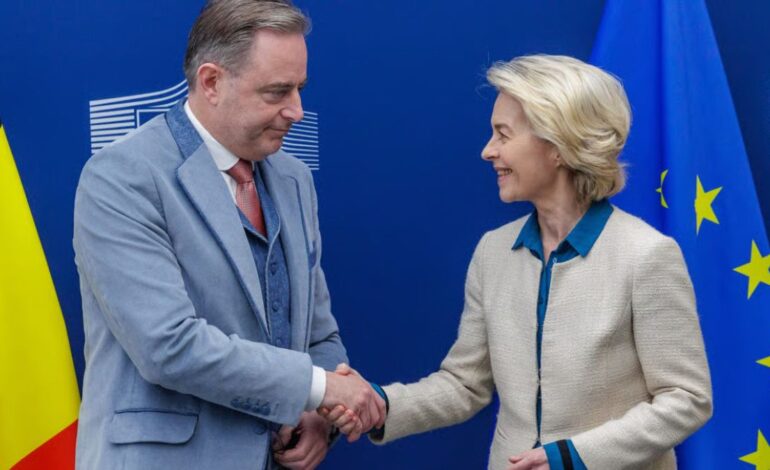
Opposition, however, is firm. Led by Belgian Prime Minister Bart De Wever, a group of at least seven nations has expressed deep reservations. Their concerns are both practical and philosophical. They fear that seizing these sovereign assets, even for a noble cause, could set a precedent that undermines the credibility of the European financial system and the euro as a global currency. There is apprehension about long-term damage to investor confidence and the potential for severe Russian retaliation against European economic interests.
The U.S. Pressure Campaign: Assets as a Bargaining Chip
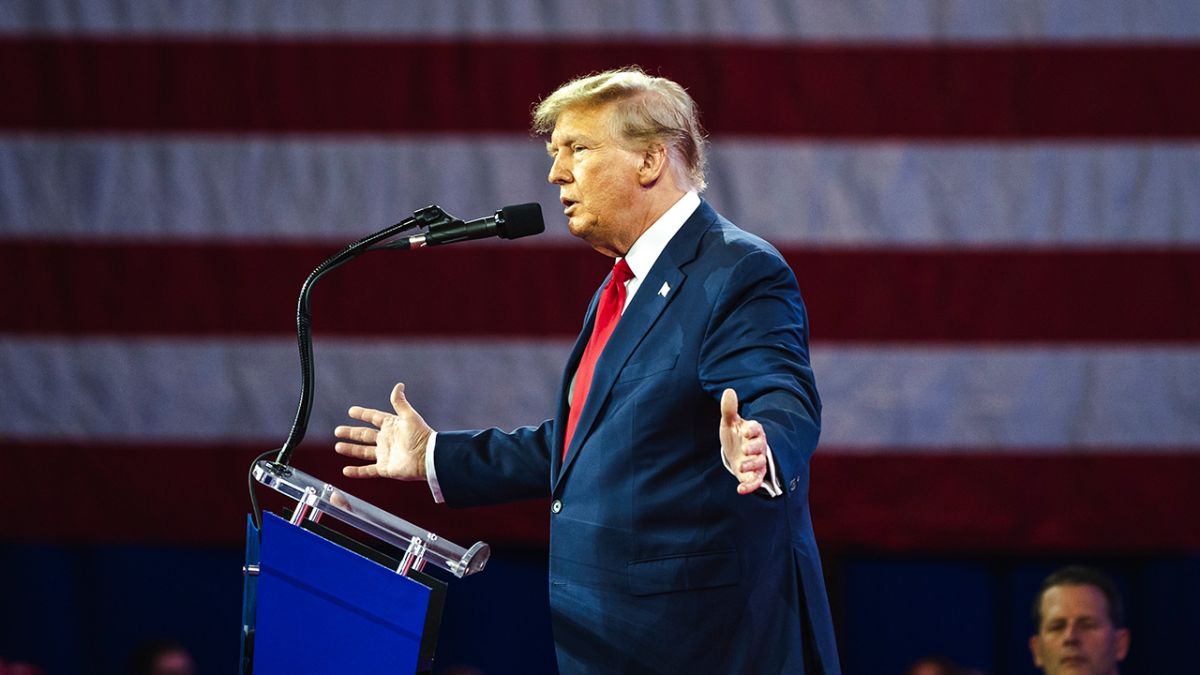
Complicating the European debate is the position of the United States. According to Ukrainian and U.S. officials, the Trump administration is actively pressuring EU countries to abandon the asset-seizure plan. Washington’s stance appears rooted in a different strategic calculus: viewing the frozen funds not as a piggy bank for Ukraine, but as a crucial bargaining chip to be dangled in front of the Kremlin to secure a broader peace deal.
A U.S. official, speaking anonymously, suggested European opponents are “quietly asking us to intervene” so they can avoid public opposition. This aligns with a previous version of a U.S. peace plan that envisioned using some frozen assets to fund a U.S.-led reconstruction of Ukraine—a plan giving Washington direct control and influence.
The White House has framed its role neutrally. Deputy Press Secretary Anna Kelly stated the U.S. role is merely “to facilitate a back-and-forth that can ultimately result in a deal,” acknowledging both Ukrainian and Russian claims on the assets.
Zelensky’s Mission and the Path Forward
This is the fraught landscape President Zelensky enters in Brussels. His task is to motivate European partners to overcome their fears and internal divisions to adopt a unified, punitive financial measure against Russia. He must argue that the immediate necessity of Ukraine’s survival outweighs the long-term financial risks some member states perceive.
The outcome of this diplomatic push will reveal much about the future of Western unity. Will Europe take the unprecedented step of directly converting frozen Russian sovereign assets into weapons for Ukraine, asserting a principle of accountability at potential economic cost? Or will strategic caution, amplified by U.S. pressure, prevail, keeping the assets frozen as a potential carrot for negotiations?
The decision on these 200 billion euros is more than a line item in a budget; it is a test of resolve, a clash of strategies, and a defining moment for how the West intends to wield its economic power in a prolonged conflict. The world is watching to see if Europe will unlock the vault, or if the key will be kept in reserve.
Also Read:
Trump Expected to Speak on Possible Easing of Marijuana Rules This Thursday
Massive Dust Storm Sweeps Phoenix, Disrupting Power and Flights