



Biden, Obama, Bush, and Clinton Give Unflattering Descriptions During Trump’s Presidential Walk of Fame
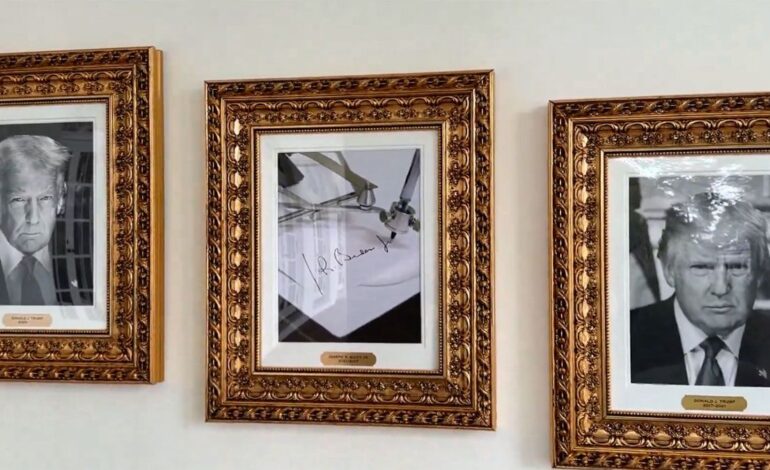

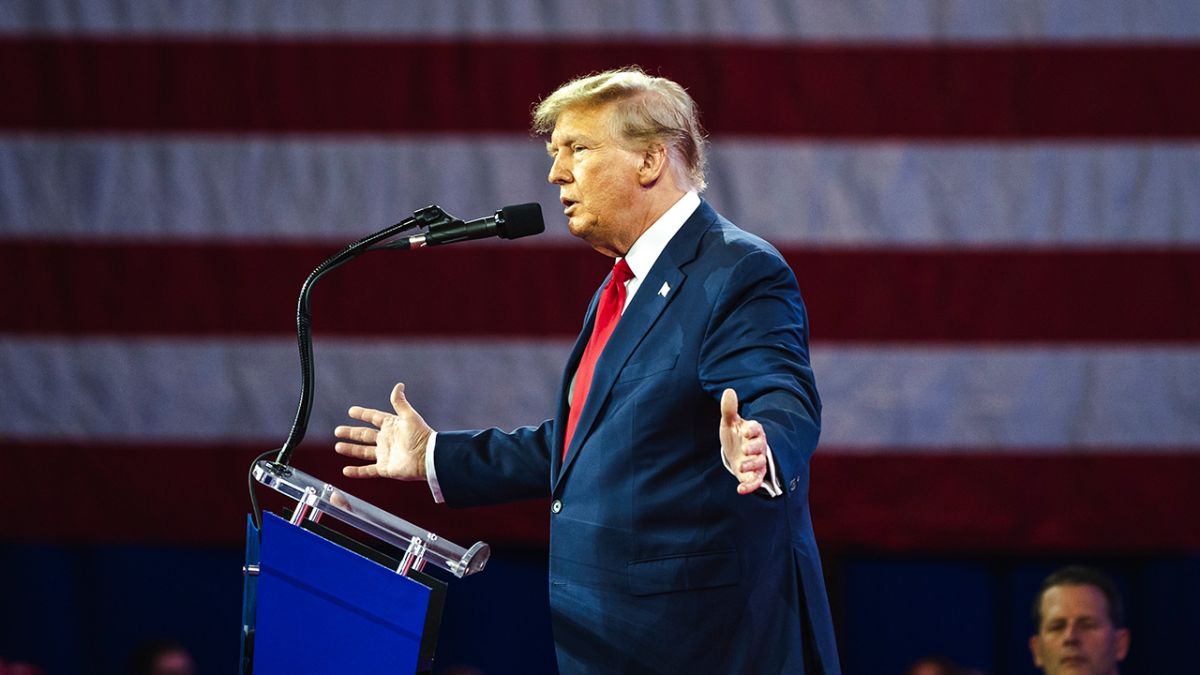
In a striking departure from the traditional norms of the office, President Donald Trump has unveiled his latest addition to the White House: a “Presidential Walk of Fame” adorned with newly commissioned plaques that offer sharply partisan descriptions of his predecessors. The installation, seen publicly this week in the colonnade connecting the West Wing to the residence, replaces expected diplomatic language with Trump’s signature political bombast, reframing American history through a deeply personal and combative lens.
White House Press Secretary Karoline Leavitt described the plaques as “eloquently written descriptions of each President and the legacy they left behind,” noting that many were penned by Trump himself, “a student of history.” An introductory marker sets the tone, stating the exhibit was “conceived, built, and dedicated by President Donald J. Trump as a tribute to past Presidents, good, bad, and somewhere in the middle.”
Unvarnished Assessments of Modern Predecessors
The plaques for recent presidents offer the most unflinching commentary, highlighting Trump’s fraught relationships with the men who occupied the Oval Office before him.
- Joe Biden: In perhaps the most pointed entry, the current president is not honored with a gilded portrait but with an image of an autopen. Labeled “Sleepy Joe,” he is called “by far, the worst President in American History” who “brought our Nation to the brink of destruction.” The text levels criticisms on policy and falsely reiterates claims of election fraud.
- Barack Obama: The 44th president is described as “one of the most divisive political figures in American History.” His landmark healthcare law is dubbed the “Unaffordable Care Act,” and the plaque highlights Trump’s dismantling of Obama’s key foreign policy agreements.
- George W. Bush: Receiving a mixed review, Bush is credited for his post-9/11 leadership but chastised because the wars in Afghanistan and Iraq “should not have happened.”
- Bill Clinton: Granted faint praise for legislative achievements attained “despite the scandals that plagued his Presidency,” the plaque concludes by noting “President Clinton’s wife, Hillary, lost the Presidency to President Donald J. Trump!”
Aides to Biden, Obama, Bush, and Clinton either declined to comment or did not respond to requests.
Historical Figures Receive Softer, but Still Loaded, Treatment

The critiques soften for presidents further in the past, though modern political themes are still projected backward. George H.W. Bush is recognized for major legislation, Lyndon B. Johnson for civil rights laws, and John F. Kennedy as a “war hero.” Yet, even here, Trump interjects commentary. Andrew Jackson’s plaque notes he was “unjustifiably treated unfairly by the Press, but not as viciously and unfairly as President Abraham Lincoln and President Donald J. Trump would, in the future, be.”
A Curated Legacy for the Curator
Unsurprisingly, Trump’s own entries are fulsome in their self-praise. With two displays for his non-consecutive terms, they tout “the Greatest Economy in the History of the World” and declare his 2016 Electoral College win a “landslide.” His second-term plaque concludes with the optimistic promise: “THE BEST IS YET TO COME.”
More Than a Display: A Broader Effort to Shape Narrative
The “Walk of Fame” is not an isolated act. It is part of a broader effort by the Trump administration to reshape the physical and historical landscape of the nation’s capital. This includes a gold-adorned Oval Office, the ongoing construction of a massive new White House ballroom, and influencing how national institutions like the Smithsonian present American history ahead of the nation’s 250th anniversary.
By installing this permanent, partisan commentary within the walls of the People’s House, Trump flouts the unwritten protocol of presidential respect for predecessors. The display transforms a space traditionally meant to honor the continuity of the office into a platform for contemporary political conflict and personal legacy-building. It ensures that future White House tours will not just recount history, but will also confront the contentious narrative of the 45th president, who ensured his voice would remain part of the tour long after he left the building.
Also Read:
Trump Expected to Speak on Possible Easing of Marijuana Rules This Thursday
Massive Dust Storm Sweeps Phoenix, Disrupting Power and Flights