


What Maduro’s ‘Respectful’ Call with Trump Reveals About Future Relations
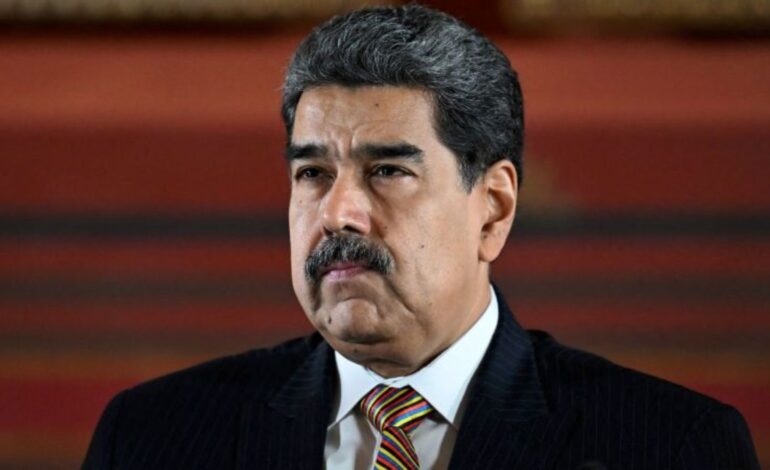

A ten-minute phone call has sent ripples through the diplomatic world. The confirmation by both Venezuelan President Nicolás Maduro and U.S. President Donald Trump of a direct conversation marks a sudden, stark shift in tone between two nations locked in years of hostile confrontation.
For years, the relationship has been defined by sanctions, incendiary rhetoric, and a U.S. policy focused squarely on regime change. Washington labels Maduro a narcoterrorist, with a $50 million bounty on his head. Caracas condemns American “imperialism” and views every U.S. naval deployment as a prelude to invasion. Against this backdrop, Maduro’s description of the call as “respectful” and “cordial” is not just surprising—it’s strategically loaded.
Reading Between the Lines
Maduro’s televised statement was a masterclass in diplomatic signaling. By publicly welcoming the call and framing it as a step toward “state-to-state” dialogue, he achieves several goals. He projects an image of a leader engaged in statesmanship, seizes an opportunity to legitimize his government on the world stage, and potentially drives a wedge into the previously monolithic U.S. stance against him. His insistence that Venezuela will “always seek peace” is a pointed message aimed at the U.S. military buildup in the Caribbean, which he views as a direct threat to his government and the nation’s oil reserves.
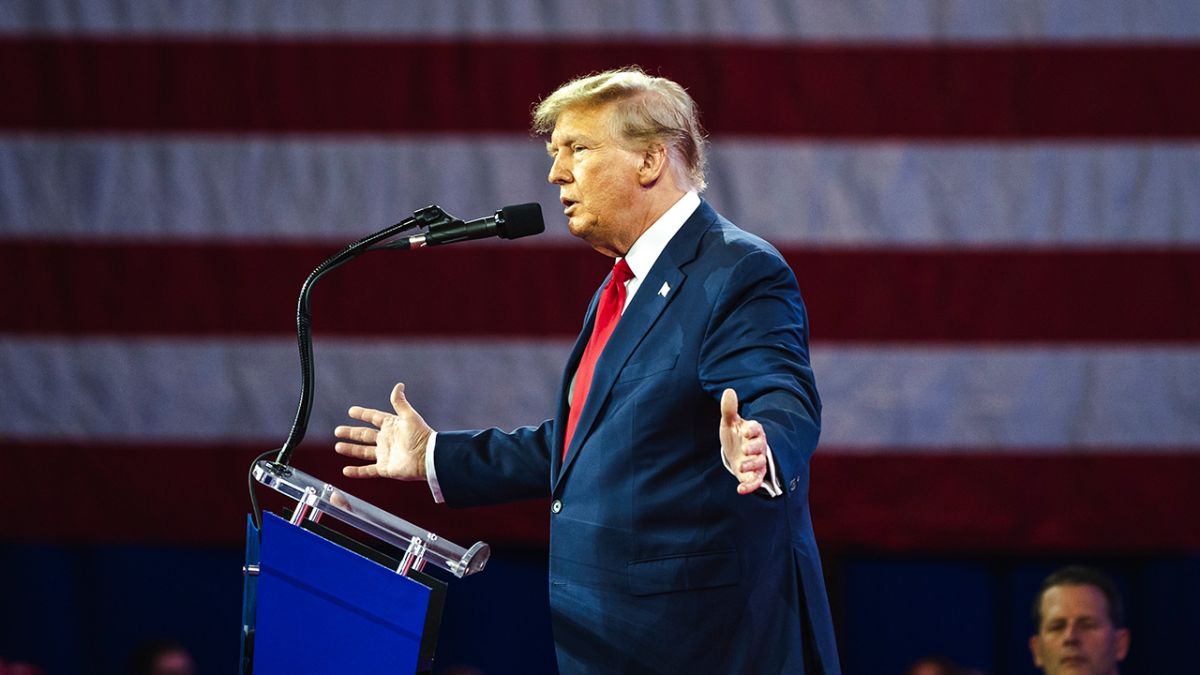
President Trump’s confirmation, though characteristically cryptic, is equally significant. His non-committal “I wouldn’t say it went well or badly” is a far cry from the usual fiery denunciations. This ambiguity opens a door, however slightly. It suggests that amidst the hardline posture—the naval exercises and the bounty—a parallel channel of realpolitik may be operating.
The Stark Contradiction
This is where the situation reveals its core tension. The U.S. government’s official position remains uncompromising: Maduro is the head of a designated terrorist organization. Yet, the President is now speaking with him directly. This contradiction highlights a potential pivot or, at minimum, an exploration of options. Are discussions about amnesty or exit strategies, as some reports suggest, secretly on the table? Is the military pressure a tool to force a negotiated outcome rather than an outright overthrow?
The call suggests that for all the public posturing, both sides may be testing the waters for a deal. For Maduro, any dialogue that acknowledges his presidency is a victory. For the Trump administration, weary of protracted stalemates, a negotiated solution—even with a reviled figure—might begin to look preferable to an indefinite standoff.
What It Reveals About Future Relations
This phone call reveals one fundamental truth: absolute, unchanging hostility is often unsustainable in international relations. Interests evolve, and tactics shift. The conversation does not mean a warm reconciliation is imminent. The deep mistrust and opposing ideologies remain. But it strongly indicates that both capitals are, at least for a moment, prioritizing open channels over closed doors.
Future relations will likely hinge on whether this call was a one-off gesture or the first thread in a new fabric. Will it lead to a discreet meeting, to a pause in sanctions, or to concrete negotiations about Venezuela’s political future? Or will it collapse under the weight of the very accusations that defined the past decade?
For now, the world is left watching a paradox: a wanted man and his principal accuser having a “cordial” chat while warships patrol nearby. It’s a reminder that in geopolitics, the door to dialogue is rarely permanently locked—even when it seems bolted shut.
Also Read:
Saudi Non-Oil Economy Maintains Robust Growth, PMI Signals Sustained Expansion