






Why 94 Million People Still Can’t Access Cataract Treatment Worldwide
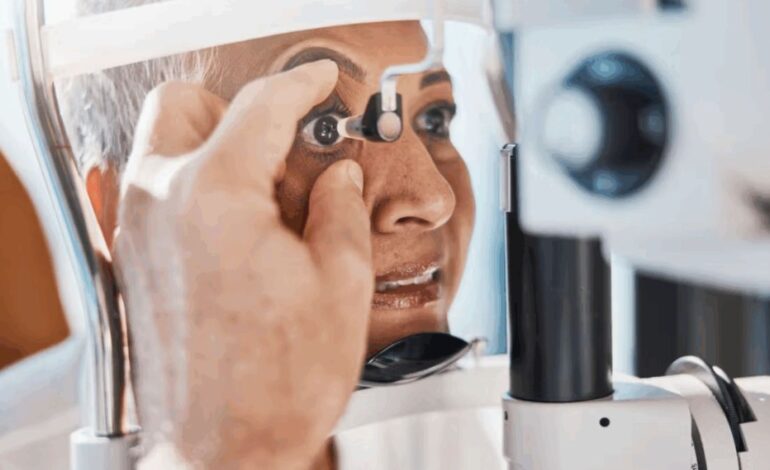

In a world where a simple 15-minute surgery can restore vision, an alarming statistic persists: over 94 million people live with cataracts, and half cannot access the treatment they need. This clouding of the eye’s lens, which blurs sight and can lead to blindness, is increasingly common as global populations age. Yet, for tens of millions, clear vision remains out of reach.
A Surgically Solvable Problem
Cataract surgery is one of modern medicine’s most straightforward and cost-effective procedures. It offers immediate and lasting sight restoration and is routinely performed in high-income countries. “Cataract surgery is one of the most powerful tools we have to restore vision and transform lives,” says Devora Kestel of the WHO’s noncommunicable diseases department. “When people regain their sight, they regain independence, dignity, and opportunity.”
But as Stuart Keel, WHO’s technical lead for eye care, notes starkly: “Half of the world’s population in need of cataract surgery don’t have access to it.”
Where the Gap Is Widest
The disparity in care is profoundly geographical. In the WHO African region, three out of four people needing surgery go untreated. In Kenya, at current rates, an estimated 77% of those with cataracts will die without ever receiving treatment. Across all regions, women consistently face greater barriers to care than men.
While fewer than 20% of the 94 million affected are fully blind, the rest live with impaired vision—a condition that hinders daily life, limits livelihoods, and diminishes quality of life.
Why Can’t People Get Surgery?
The reasons are systemic:
- Limited Capacity and Workforce: There simply aren’t enough trained surgeons, especially outside major cities. Surgical equipment and facilities are also in short supply in many regions.
- Financial Barriers: Even when the lens itself can cost less than $100, out-of-pocket expenses remain prohibitive for many without insurance coverage. “We do need money invested to get rid of this backlog,” Keel emphasizes.
- Access to Primary Care: Eye examinations are often not integrated into primary health services, delaying diagnosis and referral.
A 2030 Goal That’s Slipping Away
WHO member states set an ambitious target in 2021: a 30% increase in cataract surgery coverage by 2030. However, progress has been slow. Over the past two decades, coverage increased by only 15%, and current models predict just an 8.4% rise this decade—far short of the goal.
A Clear Path Forward
To close this gap, the WHO urges concrete actions:
- Integrate eye health into primary care systems.
- Invest in surgical infrastructure and distribute resources equitably.
- Expand the eye-care workforce through standardized training and placement nationwide.
- Protect patients from crippling costs by improving insurance coverage and public funding.
New WHO guidelines launched Wednesday aim to help countries provide quality cataract services and develop the needed workforce.
Prevention and Early Detection Matter
While age is the primary risk factor, others include prolonged UV exposure, tobacco use, diabetes, and long-term corticosteroid use. Regular eye check-ups as we age can lead to early detection and timely treatment.
The situation is clear: we have the medical solution to end cataract blindness for millions. What’s needed now is the global commitment to deliver it. Because behind the number 94 million are individuals waiting to see the world—and themselves—clearly again.
Also Read:
Thousands Protest in Australia During President Herzog’s Visit
Italian Man at Center of Bosnia’s Weekend Sniper Killings Probe